
Why Is Heartworm Treatment So Painful? A Vet's Guide
Heartworm treatment is painful because the injections kill adult worms inside the pulmonary arteries, causing inflammation and muscle soreness. The deep intramuscular shots themselves also sting. Pain varies by dog, but vets prescribe medications to manage it.
Why Is Heartworm Treatment So Painful? The Real Reasons Behind the Discomfort
Heartworm treatment is painful because it involves killing adult worms living in your dog's heart and pulmonary arteries. The medication, melarsomine, is given as deep injections into the lower back muscles. These injections cause significant muscle soreness and inflammation as the drug works to destroy the worms.
- Deep injections – The shots are given intramuscularly, which hurts more than a typical vaccine. The muscle tissue reacts to the medication, causing localized pain and swelling.
- Worm death and inflammation – As the adult heartworms die, they break apart and are carried to the lungs, where they are slowly absorbed. This process triggers inflammation in the blood vessels and lungs, which can be uncomfortable.
- Restriction of activity – Dogs are required to be strictly rested for weeks. This is frustrating for active dogs and can make them feel worse, especially if they are in pain.
- Individual pain tolerance – Some dogs handle pain better than others. Your vet will assess your dog's pain level and prescribe appropriate medications.
Is heartworm disease itself painful for dogs? Yes, the disease can cause coughing, fatigue, and even collapse. The treatment is uncomfortable, but the disease is far more dangerous. If you're worried about pain, talk to our team at Mellina Animal Hospital in Fort Worth, TX. We can explain what to expect and how to keep your dog comfortable.
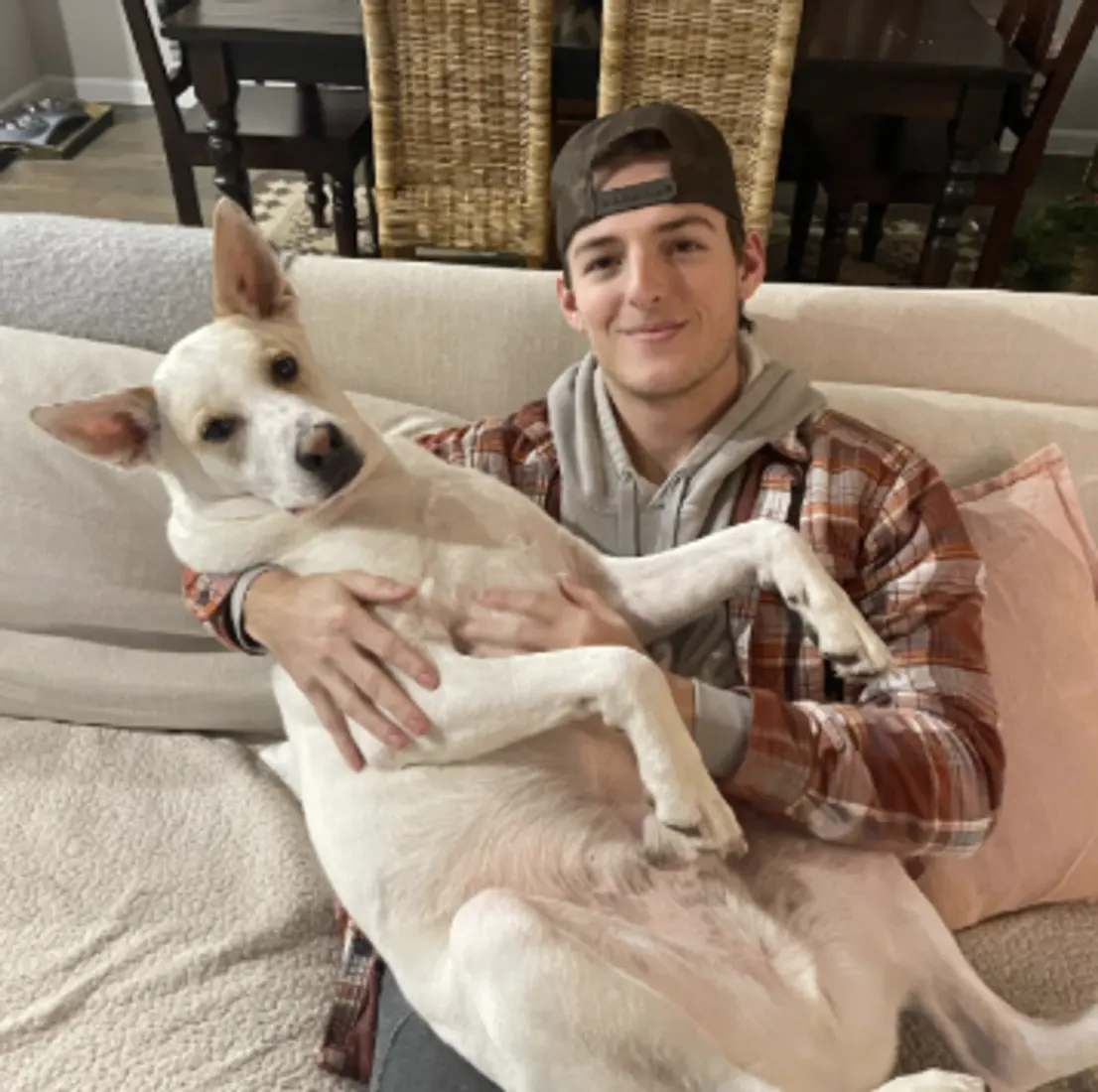



How to Comfort Your Dog During Heartworm Treatment: Pain Relief and Aftercare Tips
Comforting your dog during heartworm treatment starts with following your vet's instructions and providing a calm, quiet environment. Here are practical steps to ease your dog's discomfort.
- Give prescribed pain medication – Your vet will likely prescribe gabapentin or other pain relievers. Give them exactly as directed, even if your dog seems okay.
- Create a quiet space – Keep your dog in a small, confined area like a crate or a room with no stairs. Use soft bedding to cushion sore muscles.
- Use calming aids – Trazodone or other anti-anxiety medications may be prescribed to keep your dog calm. You can also use pheromone diffusers or calming music.
- Provide gentle interaction – Spend time sitting with your dog, offering gentle pets. Avoid rough play or walks. Short, leashed potty breaks only.
- Watch for signs of pain – If your dog is panting, restless, or whining, contact your vet. They may adjust the pain plan.
If you're in Fort Worth, Arlington, or Haltom City, our team at Mellina Animal Hospital can guide you through aftercare. We're open Monday through Friday 7:30 AM–5:30 PM and Saturday 8 AM–12 PM. Call us at (817) 332-8179 if you have concerns.
The Heartworm Treatment Protocol: Why It Takes Months and What Happens at Each Step
Heartworm treatment is a multi-step process that takes several months. The goal is to kill adult worms, prevent new infections, and give your dog's body time to clear the dead worms safely.
| Phase | What Happens | Why It's Necessary |
|---|---|---|
| 1. Diagnosis & stabilization | Blood tests, x-rays, and sometimes an ultrasound to assess the severity. | Determines the best treatment plan and identifies any complications. |
| 2. Prevention start | Your dog starts a heartworm preventative to kill larvae and stop new worms from developing. | Prevents the infection from getting worse. |
| 3. First injection | Melarsomine is given as a deep injection into the lower back. | Begins killing adult worms. |
| 4. Rest period | Strict rest for 30 days. | Allows the body to start clearing dead worms and reduces risk of complications. |
| 5. Second and third injections | Two injections given 24 hours apart, one month after the first. | Kills remaining adult worms. |
| 6. Recovery & retesting | Strict rest for 6–8 weeks, then a blood test to confirm the infection is gone. | Ensures all worms are eliminated and the dog is safe to resume normal activity. |
The entire process takes about 3–4 months. The lengthy rest is critical because dead worms can cause blockages if a dog is too active. Our team at Mellina Animal Hospital follows the American Heartworm Society guidelines to ensure the best outcome.
Heartworm Treatment Side Effects: What's Normal, What's Not, and When to Call the Vet
Most dogs experience some side effects after heartworm injections. Knowing what's normal can help you stay calm and know when to seek help.
| Symptom | Normal? | What to Do |
|---|---|---|
| Soreness at injection site | Yes, for a few days | Rest, pain meds, warm compress if recommended. |
| Lethargy | Yes, for a few days | Encourage rest and fluids. |
| Loss of appetite | Sometimes, for a day or two | Offer small, tasty meals. Call if more than 48 hours. |
| Coughing | May occur as worms die | Monitor. Call if severe or persistent. |
| Fever | Possible | Call your vet if above 103°F. |
| Difficulty breathing | No – emergency | Go to an emergency vet immediately. |
| Vomiting or diarrhea | Possible, but monitor | Call your vet if frequent or bloody. |
The most dangerous time is 5–10 days after each injection, when dead worms can cause pulmonary embolism. Strict rest is crucial. If you see signs of severe distress, call us at (817) 332-8179 or head to Fort Worth Animal Emergency Hospital after hours.
Pain Medications for Heartworm Treatment: What Your Vet May Prescribe and How to Ask
Pain management is a key part of heartworm treatment. Your vet will likely prescribe medications to keep your dog comfortable.
- Gabapentin – A nerve pain medication that helps with muscle soreness.
- Trazodone – An anti-anxiety medication that also helps calm dogs during rest.
- NSAIDs – Anti-inflammatories like carprofen may be used, but only if safe for your dog.
- Ask your vet – At Mellina Animal Hospital, we'll discuss the best pain plan for your dog. Call us at (817) 332-8179 to ask about pain management options.
Never give over-the-counter pain meds like ibuprofen or acetaminophen—they are toxic to dogs. Always follow your vet's dosage instructions.
Heartworm Treatment Success Rates: What Are the Chances of Full Recovery?
Heartworm treatment is highly successful when done correctly. Most dogs recover fully, especially if the disease is caught early.
| Factor | Impact on Success |
|---|---|
| Stage of disease | Early-stage dogs have a better prognosis. |
| Overall health | Dogs with no other health issues recover faster. |
| Strict rest | Following rest instructions dramatically reduces complications. |
| Follow-up testing | Ensures all worms are gone. |
While rare, some dogs do not survive treatment, usually due to severe lung damage or blockages. Your vet will discuss your dog's specific risks. For more details, see our page on survival rates for heartworm treatment.
Heartworm Treatment Cost: What to Expect and How to Plan Financially
The cost of heartworm treatment varies widely based on the dog's size, the severity of the infection, and the clinic. In Fort Worth, expect to pay anywhere from a few hundred to over a thousand dollars. This includes diagnostics, injections, medications, and follow-up tests.
| Factor | Why It Matters | Typical Range |
|---|---|---|
| Diagnostics | Blood tests, x-rays, ultrasound to stage the disease | $100–$500 |
| Injections (melarsomine) | Drug cost and administration | $200–$800 |
| Medications | Pain relief, antibiotics, preventatives | $50–$200 |
| Follow-up tests | Confirm the infection is cleared | $50–$150 |
Pet insurance may cover some costs if you have a plan. Check with your provider. If cost is a concern, ask about payment plans. We also offer a free first wellness exam for new clients—call (817) 332-8179 to learn more.
Preventing Heartworm Disease: Easier and Cheaper Than Treatment
The best way to avoid painful heartworm treatment is to prevent the disease in the first place. Heartworm preventatives are safe, effective, and affordable.
- Give monthly preventatives – Oral or topical medications kill larvae before they mature.
- Test annually – A simple blood test ensures your dog is heartworm-free.
- Keep your dog on prevention year-round – Mosquitoes can be active in Fort Worth even in winter.
- Ask about ProHeart – An injectable prevention that lasts 6 or 12 months.
If you're in Fort Worth, Arlington, or White Settlement, our team at Mellina Animal Hospital can help you choose the right prevention. Call us at (817) 332-8179 to schedule an appointment.
For details on services and visits, see the main page about veterinarian fort worth.
Sources
Also asked as
- Why does heartworm treatment hurt dogs?
- Is heartworm treatment painful for dogs?
- How painful is heartworm treatment for dogs?
Frequently asked questions
Is heartworm disease painful for dogs?
Yes, heartworm disease can be painful. As worms grow and multiply, they cause inflammation in the heart and lungs, leading to coughing, fatigue, and difficulty breathing. In severe cases, it can cause collapse or sudden death.
Why was ProHeart taken off the market?
ProHeart, an injectable heartworm preventative, was voluntarily withdrawn in 2004 after reports of adverse reactions. It was later reintroduced with stricter warnings and is now considered safe for most dogs. Your vet can help you decide if it's right for your pet.
What is the life cycle of a heartworm?
Heartworms are transmitted by mosquitoes. Larvae enter the dog's bloodstream, mature into adults over 6–7 months, and live in the heart and pulmonary arteries. Adults can survive for 5–7 years in dogs.
Can dogs eat before heartworm treatment?
Yes, dogs can eat normally before heartworm injections. Unlike some procedures, fasting is not required. However, always follow your vet's specific instructions.
Can my dog jump on the couch after heartworm treatment?
No. Jumping can cause a sudden spike in heart rate and blood pressure, which could dislodge dead worms and cause a blockage. Strict rest means no jumping, running, or playing for at least 6–8 weeks.