
Signs a Dog Is in Pain or Discomfort: What to Watch For
Dogs in pain often show subtle changes like limping, reduced activity, loss of appetite, hiding, or vocalizing. Watch for shifts in behavior, posture, or breathing. If you notice these signs, contact your veterinarian for an evaluation.
Common Signs Your Dog Is in Pain or Discomfort
Dogs often show pain in ways that are easy to miss. Watch for these behavioral and physical changes—they can signal that your dog is hurting.
- Limping or favoring a leg – Even a slight limp or hesitant paw lifting can indicate joint, muscle, or bone pain.
- Reluctance to climb stairs or jump – If your dog hesitates before jumping onto the couch or refuses stairs, it may be arthritis or injury.
- Decreased appetite – A significant drop in eating or drinking often accompanies pain, especially dental or abdominal issues.
- Hiding or avoiding interaction – Dogs in pain may retreat to quiet spots, avoid petting, or show disinterest in play.
- Vocalizing – Whining, whimpering, or barking when moving or being touched can be a direct pain signal.
- Excessive licking or biting at a spot – This may indicate localized pain, like a paw injury or skin irritation.
- Changes in posture or breathing – A hunched back, panting without exertion, or shallow breathing can be pain-related.
- Personality changes – Increased irritability, aggression, or clinginess can all be signs of discomfort.
If you notice any of these signs, especially more than one, it's worth a call to your veterinarian. At Mellina Animal Hospital, we see dogs from Fort Worth, Arlington, and Haltom City for pain evaluations.





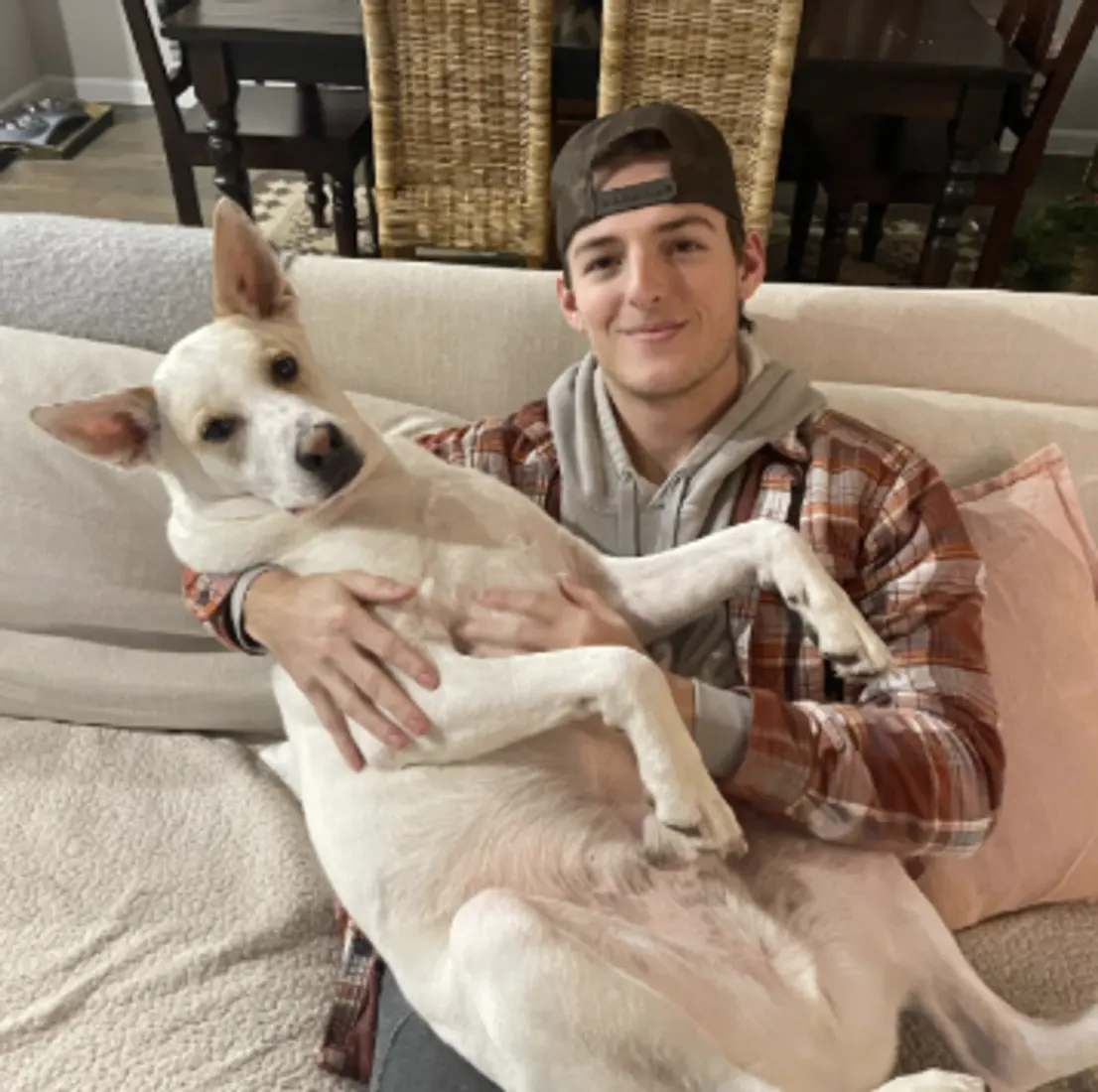
Why Dogs Hide Pain: The Instinct Behind the Mask
Dogs are hardwired to hide pain. In the wild, showing weakness makes an animal vulnerable to predators or rivals. So your dog may mask discomfort until it becomes severe. This survival instinct means you might not see obvious signs like yelping or limping until the pain is advanced.
Instead, you may notice subtle shifts: sleeping more, walking less, or avoiding activities they once loved. These changes are your dog's way of coping. Understanding this instinct helps you stay alert to small differences in behavior that could indicate pain.
If your dog seems off, trust your gut. Early detection leads to better outcomes. Our team at Mellina Animal Hospital can help you assess whether your dog's behavior changes warrant a visit.
When to See a Vet for Your Dog's Pain
A good fit if…
- Your dog is limping, crying, or showing sudden severe pain.
- They refuse to eat or drink for more than 24 hours.
- They are vomiting, have diarrhea, or show signs of distress.
- They have been in pain for more than a day or two.
Consider another option if…
- The pain is mild and your dog is eating, drinking, and acting normally.
- You are unsure if it's pain—monitor for 24 hours and reassess.
Acute pain (sudden onset) often requires urgent care. Chronic pain (like arthritis) may develop slowly. If in doubt, call us at (817) 332-8179. We offer urgent and emergency care during business hours, and we accept walk-ins. For after-hours emergencies, we recommend Fort Worth Animal Emergency Hospital.
Common Causes of Pain in Dogs
Pain in dogs can stem from many sources. Acute pain often comes from injuries, infections, or sudden illness. Chronic pain is commonly due to arthritis, dental disease, or degenerative conditions. Other causes include ear infections, urinary tract issues, and post-surgical discomfort.
If your dog is licking their paw, it might be a foreign object or a wound. If they are reluctant to chew, dental problems could be the culprit. Our veterinarians can pinpoint the cause through a thorough exam.
Pain
Pain is an unpleasant sensory and emotional experience that arises from actual or potential tissue damage. It serves as a protective signal, prompting animals to withdraw from harm and guard injured areas while they heal. However, pain can persist even after healing, or occur without obvious damage, affecting quality of life. In dogs, pain often manifests through behavioral changes rather than clear vocalizations. Understanding how pain presents—both acute and chronic—helps you recognize when your dog needs help. Recognizing the signs early allows you to seek timely veterinary care, improving your dog's comfort and outcome.
How Vets Treat Pain in Dogs
- Diagnosis – We perform a physical exam and may recommend X-rays or bloodwork to find the source.
- Medication – NSAIDs for dogs and other pain relievers are prescribed based on the cause and severity.
- Rehabilitation – Options like veterinary rehabilitation, acupuncture for dogs, and hydrotherapy can aid recovery.
- Surgery – For conditions like torn ligaments or fractures, surgery may be necessary.
Treatment plans are tailored to your dog's needs. We'll explain the options and costs before proceeding.
How to Comfort a Dog in Pain at Home
- Provide a quiet space – Let your dog rest in a calm, comfortable area away from noise.
- Limit activity – Avoid walks or play that could worsen the pain.
- Use a warm or cool compress – Apply as directed by your vet, depending on the injury.
- Keep them comfortable – Provide soft bedding and gentle handling.
Do not give human pain medications like ibuprofen or acetaminophen—they can be toxic to dogs. Always consult a veterinarian before giving any medication.
Book an Appointment at Mellina Animal Hospital
- Call us – Reach us at (817) 332-8179 during business hours.
- Visit us – We're at 2928 W 6th St, Fort Worth, TX 76107. We accept walk-ins, but appointments are preferred.
- Check our hours – Mon–Fri 7:30 AM–5:30 PM, Sat 8 AM–12 PM. Closed Sundays.
- Email us – hello@mellinaanimalhospital.com for non-urgent questions.
New clients receive a free first wellness exam (terms apply). We serve Fort Worth and nearby areas like White Settlement, River Oaks, and Saginaw.
For details on services and visits, see the main page about veterinarian fort worth.
Sources
Also asked as
- How can I tell if my dog is hurting?
- What are subtle signs of pain in dogs?
- When should I worry about my dog's pain?
Frequently asked questions
How to tell if your dog is suffering?
Look for changes in behavior, appetite, activity, and posture. If your dog is hiding, limping, or vocalizing more than usual, they may be suffering. Trust your instincts and consult a vet.
Do dogs hide pain from their owners?
Yes, dogs often hide pain due to survival instincts. They may mask discomfort until it becomes severe, so subtle changes in routine or mood are important clues.
Will dogs sleep if they are in pain?
Some dogs sleep more when in pain, while others may be restless or unable to settle. Excessive sleeping or difficulty getting comfortable can both be signs of discomfort.
What position do dogs lay in when in pain?
Dogs in pain may adopt a hunched posture, lie on their side with legs extended, or repeatedly shift positions. A tucked abdomen or avoiding pressure on a specific area can also indicate pain.